
MBBS (AIIMS), MS (Surgery, AIIMS), MNAMS, FACS (USA), FICS (USA), FUICC
Mon, 21 Sep 2026
Living with Myasthenia Gravis (MG) can affect every part of daily life — from lifting your arms and speaking clearly to swallowing food and even breathing comfortably. While medications help many patients manage symptoms, surgery plays an important role for carefully selected patients, helping improve long-term disease control and, for many, reducing dependence on long-term medication.
An experienced thoracic surgeon, Dr. Arvind Kumar specializes in the surgical management of Myasthenia Gravis through thymectomy, working closely with neurologists to provide comprehensive, patient-centric care.
Selecting the right specialist is one of the most important decisions for patients with Myasthenia Gravis, since surgical expertise significantly influences recovery, safety, and long-term outcomes. Care with Dr. Arvind Kumar includes:
Myasthenia Gravis is a chronic autoimmune neuromuscular disorder in which the body’s immune system mistakenly attacks the communication between nerves and muscles. This disrupts normal muscle contraction, leading to muscle weakness that typically worsens with activity and improves with rest. The disease commonly affects muscles responsible for:
There is currently no permanent cure, but modern treatment options have significantly improved disease control. Depending on the patient’s condition, treatment may include medications, immunotherapy, plasma exchange, IVIg, and surgical removal of the thymus gland (thymectomy).
The thymus gland plays an important role in the body’s immune system. In many patients with Myasthenia Gravis, the thymus becomes abnormal or develops a thymoma (thymic tumour), which can contribute to the production of autoantibodies that attack the neuromuscular junction.
For appropriately selected patients, removing the thymus gland can:
This is why robotic thymectomy has become an established part of Myasthenia Gravis treatment for eligible patients.
Not every patient with Myasthenia Gravis requires surgery — treatment decisions are made after a detailed neurological evaluation and imaging studies. Dr. Arvind Kumar may recommend surgery in situations such as:
Each patient receives an individualized treatment plan rather than a one-size-fits-all approach.
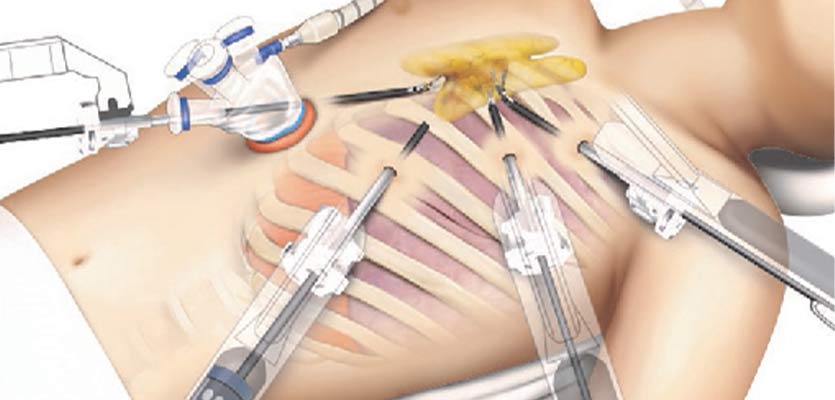
Surgery for Myasthenia Gravis primarily involves thymectomy, the surgical removal of the thymus gland. Dr. Arvind Kumar performs this using minimally invasive techniques whenever appropriate and clinically feasible, with the goal of removing abnormal thymic tissue while minimizing surgical trauma. Every surgical approach is selected based on:
This personalized planning helps maximize safety and improve long-term results.
VATS thymectomy is a minimally invasive procedure performed through small incisions using a high-definition camera and specialized surgical instruments. Compared with conventional open surgery, VATS offers several advantages, including reduced postoperative pain, shorter hospital stay, minimal blood loss, and quicker recovery.
Robotic thoracic surgery provides enhanced precision, visualization, and surgical dexterity. For selected patients, robotic thymectomy allows meticulous removal of thymic tissue while minimizing trauma to surrounding structures, often resulting in smaller scars, faster recovery, and an earlier return to normal activities.
In complex cases, particularly when large thymomas or surrounding structures are involved, an open surgical approach may be the safest option. Dr. Arvind Kumar evaluates every patient carefully before determining the most appropriate surgical technique, prioritizing patient safety alongside clinical outcomes.
Surgery may be suitable for patients who have:
Each patient undergoes detailed clinical evaluation before surgery is advised.
Before starting treatment, a comprehensive assessment is performed. Investigations may include:
This detailed evaluation helps determine the most appropriate treatment strategy.
One of the reasons international patients choose India is access to advanced treatment at comparatively affordable costs. The cost of Myasthenia Gravis treatment in India depends on several factors, including:
Since every patient’s condition is different, an accurate estimate is provided after consultation and evaluation.
If you or a loved one has been diagnosed with Myasthenia Gravis, timely evaluation by an experienced thoracic surgeon can help determine whether surgery is the right treatment option. Dr. Arvind Kumar offers comprehensive assessment, minimally invasive thymectomy, and personalized care for patients across India and internationally.
Schedule a consultation today to discuss the most suitable treatment plan and take the next step toward improved muscle strength, better symptom control, and quality of life.
Myasthenia Gravis is generally a chronic condition, but with appropriate treatment, many patients achieve long-term remission and lead active lives.
No. Surgery is recommended only for selected patients after detailed clinical evaluation.
Most patients undergoing minimally invasive surgery recover within a few weeks, although improvement in Myasthenia Gravis symptoms may continue over several months or even years following thymectomy.
Some patients require reduced medication after surgery, while others may continue treatment in lower doses. The response varies between individuals.
When performed by an experienced thoracic surgeon, minimally invasive thymectomy is considered safe and is associated with less pain, quicker recovery, and good outcomes.
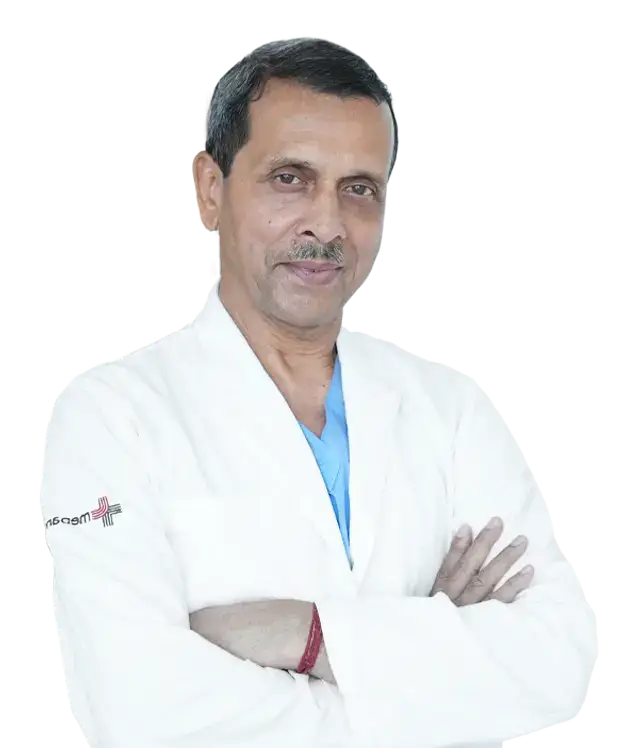
Dr. Arvind Kumar is a highly accomplished Chest surgeon with experience of over 20,000 major chest surgeries, including open surgery, VATS(Video assisted Thoracic Surgery), Robotic Chest Surgery, and Lung Transplantation, reflecting decades of clinical excellence and leadership in chest surgery.
Copyright @ (Prof.) Dr. Arvind Kumar. All Rights Reserved / Thoracic Surgical Oncologist
License Number: U.P State Medical Council (India) No. 27637


 Contact
 +91-9773635888