
MBBS (AIIMS), MS (Surgery, AIIMS), MNAMS, FACS (USA), FICS (USA), FUICC
Mon, 21 Sep 2026
.webp)
Chest reconstruction surgery is a specialized procedure that rebuilds the chest wall after removal of diseased or damaged bone and soft tissue — whether due to a tumor, severe trauma, infection, or a previous surgery.
Dr. Arvind Kumar performs chest reconstruction using advanced stabilization techniques, including titanium implants and muscle flaps, to restore both structural integrity and respiratory function.
Chest reconstruction surgery focuses on the resection of thoracic soft tissue and bone and the rebuilding of the chest wall. Dr. Arvind Kumar performs this surgery to remove tumors and treat lung infections and severe physical trauma, and where needed, performs rib excision for a clear surgical view of the affected structure. After resection, he uses stabilization methods — including artificial bone or titanium placement — to rebuild the protective thoracic framework, restoring respiratory function while also addressing cosmetic outcomes.
Patients may require chest reconstruction surgery if they have:
Dr. Arvind Kumar offers several types of chest reconstruction surgery in India, tailored to each patient’s condition:
Restores skeletal stability after extensive bone loss, using synthetic meshes or titanium plates to replace resected ribs, prevent paradoxical breathing, and protect the intrathoracic organs. Rigid fixation helps maintain the mechanical integrity of the thoracic cage, supporting better respiratory mechanics and reduced post-operative pain.
Treats a wide range of thoracic defects by reconstructing soft tissue in the chest, using free muscle flaps — commonly the pectoralis major or latissimus dorsi — from a donor site to restore proper blood circulation and reduce the risk of infection. Flap selection is based on each patient’s anatomy, with close attention to vascularization for reliable healing.
After oncological clearance, patients may have a gap in the chest wall that requires reconstruction — involving wide bone and muscle excision for malignant tumors, followed by reconstruction to maintain an airtight thoracic cavity. Synthetic patches may be used to fill the defect for long-term durability, combining surgical oncology with reconstructive technique to achieve both curative and functional results.
Whenever appropriate, Dr. Arvind Kumar uses Video-Assisted Thoracoscopic Surgery (VATS) for accurate internal visualization through small incisions, reducing trauma to surrounding muscle and minimizing blood loss. Robotic assistance is used to further enhance surgical precision where appropriate.
For conditions such as pectus excavatum, Dr. Arvind Kumar reshapes the sternal bone through precise osteotomies and places supportive metal bars during chest remodeling, relieving pressure on the heart and lung tissue. He uses the NUSS procedure and other minimally invasive techniques to restore normal thoracic contour.
Dr. Arvind Kumar and his surgical team administer anesthesia and ensure complete pain control throughout the procedure. He examines the thoracic cavity thoroughly and maps the incision lines based on preoperative imaging.
Precise resection of affected tissue is performed, with broader margin excisions where needed to ensure complete removal of cancerous cells. Healthy vascular structures are preserved, and advanced cautery tools help minimize blood loss while vital signs are monitored throughout.
Biocompatible synthetic and metallic materials are used to restore the skeletal framework, secured with titanium plates to bridge gaps; methyl methacrylate may be used to customize prosthetic rib segments, with the heart and lungs protected throughout.
Regional or distant muscle flaps — often the latissimus dorsi — are rotated to seal the underlying repair, with careful microsurgical anastomosis of blood vessels to ensure a viable flap and an airtight seal over the thoracic cavity for faster healing.
Chest tubes are secured to remove excess fluid and air and to prevent displacement during patient movement, reducing the risk of seroma or hematoma. Drainage output is monitored closely to track healing progress and confirm proper lung expansion.
Recovery is overseen in the Intensive Care Unit with a structured recovery plan. Follow-up visits include chest X-rays to confirm long-term implant stability, along with guided breathing exercises to support healthy lung function.
Chest reconstruction is a complex surgery, and choosing an experienced specialist matters for recovery and reducing the risk of recurrence. Care with Dr. Arvind Kumar includes:
Dr. Arvind Kumar has experience in advanced thoracic surgical techniques, including robotic surgery, which offers specific advantages compared to conventional surgery — performing complex chest reconstructions through smaller incisions to help minimize surgical trauma and scarring.
Dr. Arvind Kumar works with a team of specialists across disciplines for comprehensive patient care, collaborating with oncologists, plastic surgeons, and anesthesiologists to address both functional and aesthetic aspects of each case.
Dr. Kumar holds professional fellowships and has contributed to advancing robotic thoracic surgery techniques, following internationally recognized clinical practices in his approach to patient care.
Dr. Arvind Kumar has experience treating complex and rare thoracic conditions — from chest wall tumors requiring intricate skeletal and soft tissue repair to corrections for severe chest deformities.
The average chest reconstruction surgery cost in India typically ranges from ₹2,00,000 to ₹8,00,000, depending on the patient’s condition and the type of reconstruction performed.
| Component | Cost (INR) |
|---|---|
| Consultation fees | 1,000–2,000 |
| Hospital charges | Around 50,000 |
| Titanium plates / surgical mesh / implants | Around 4,00,000 |
| Diagnostic tests & imaging | 10,000–40,000 |
| Postoperative care | Around 50,000 |
For chest wall conditions requiring reconstruction, Dr. Arvind Kumar provides individualized treatment plans aimed at supporting recovery and reducing the risk of recurrence. For a narrower look at reconstruction options specifically in Delhi, see our Chest Reconstruction Surgery in Delhi page.
For more details about chest reconstruction surgery and to schedule a consultation, please get in touch with our team directly.
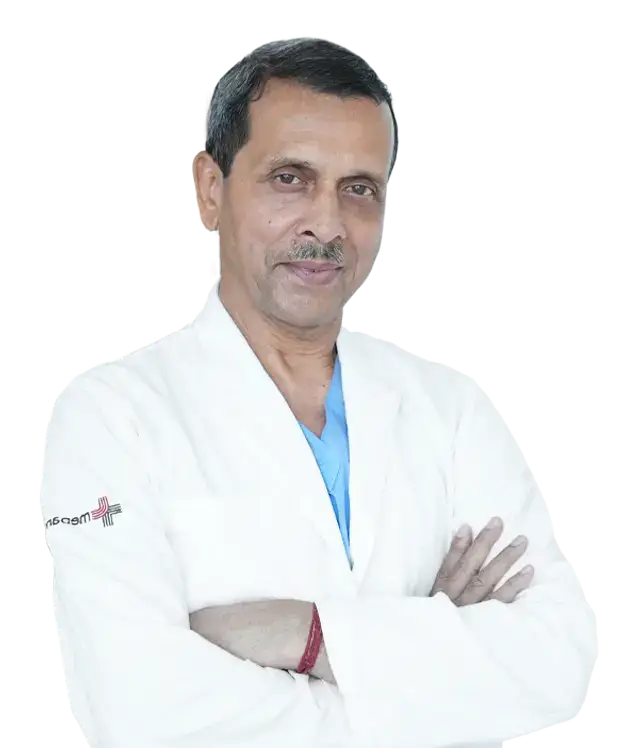
Dr. Arvind Kumar is a highly accomplished Chest surgeon with experience of over 20,000 major chest surgeries, including open surgery, VATS(Video assisted Thoracic Surgery), Robotic Chest Surgery, and Lung Transplantation, reflecting decades of clinical excellence and leadership in chest surgery.
Copyright @ (Prof.) Dr. Arvind Kumar. All Rights Reserved / Thoracic Surgical Oncologist
License Number: U.P State Medical Council (India) No. 27637


 Contact
 +91-9773635888