
MBBS (AIIMS), MS (Surgery, AIIMS), MNAMS, FACS (USA), FICS (USA), FUICC
Wed, 22 Jul 2026
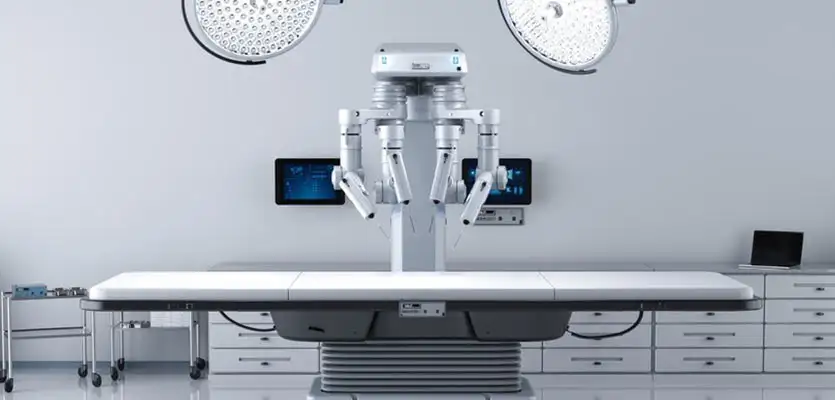
Robotic surgery has brought transformative advancements to thoracic medicine and the management of conditions, particularly those needing thoracic surgery, by merging the precision of robotics with the skills of experienced surgeons.
In a world where medicine has advanced to new heights, it isn’t surprising that the advent of robotic-assisted surgeries in treatments like lung damage repair, chest trauma repair, mediastinal surgery, etc., has become the norm. Dr Arvind Kumar, a thoracic surgeon in India, is one of the few who leverages the power of robotic surgery to treat his patients.
This guide will explore everything you need to know about the significance of robotic surgery in thoracic medicine and surgery.
Robotic Surgery is a revolutionary new concept in surgery where a "robot" is interposed between the patient and the surgeon. The Surgeon carries out the operation through highly specialised instruments controlled by the arms of the robot.
The Current Robotic System (da Vinci Si HD System from Intuitive Surgicals, USA) consists of three components as shown below:
The implementation of robotic surgery in thoracic surgery has revolutionised how surgeons can perform complex procedures with precision and accuracy.
Some of the common areas of application include:
Robotic systems, including lung lobectomies and lung cancer resections, are increasingly used in lung surgery. These procedures benefit from the ability of robotic instruments to navigate delicate lung structures while minimising trauma to healthy tissues.
Not just for lung repair, the use of robot-assisted surgeries is equally fruitful for treating oesophagal damage and a variety of complications like oesophagal cancer, gastroesophageal reflux disease (GERD), and achalasia. The advanced visualisation and unmatched dexterity of robotic surgery are perfect for intricate procedures.
The robotic-assisted techniques are effective in treating a variety of complex mediastinal procedures, including removing tumours, thymectomy, and lymph node dissections. The precision ensures safe surgical interventions with minimal complications.
Various chest wall surgeries, including repair of chest wall deformities, including pectus excavatum and pectus carinatum, can be done more precisely and quickly using robotic surgeries. Since they are minimally invasive, the recovery time is much shorter.
Being the co-chairman of Medanta Robotic Institute and as a renowned thoracic surgeon with 40+ years of experience, Dr Arvind Kumar swears by the robotic-assisted surgeries for the wide range of benefits they provide for the patient and the surgeon.
Following are a few of those benefits worth highlighting:
For optimal results from the surgery, it is best to be informed and take proper precautions before the procedure. Here’s what you can plan to set the right expectations before a robotic surgery:
Robotic surgery is a minimally invasive procedure. The robotic arms can access different and difficult body parts even through small incisions. This makes the process more efficient and the recovery much simpler. Here’s what you can expect during a robotic surgery:
Since robotic surgeries are minimally invasive, you only have to stay at the hospital for a few hours after the procedure. Once the doctors have monitored you for a while and are satisfied with your state, you’ll be allowed to return home. It is advisable to have someone with you at the hospital and to drive you home after the surgery. Here’s what you can expect during your recovery period:
Pay follow-up visits to your doctor to monitor your recovery. Also, confirm with them before starting any physical activity or returning to your regular schedule. Seek medical help in any of the following cases:
Robotic surgery has opened new horizons in the healthcare field. Here are some of its most notable advantages:
A wider range of motion: The arms of the robot that contain surgical equipment embedded in them are much more agile than human fingers. Therefore, even with a small incision as the access point, robotic surgery can perform the task more thoroughly and can reach spots that human hands wouldn’t have been able to.
The exact steps in the treatment involving robotic surgery will solely depend on the intent of the surgery. But, there are a few key steps that are the same for every robotic surgery:
Surgeons perform robotic surgical procedures on a specialized console, which provides a high quality three-dimensional image of the patient body. The surgeon controls the robot by maneuvering levers, pedals and buttons on the console with his arms, feet, fingers and wrists.
The robot executes these commands through instruments attached to robotic arms on the patient-side robotic cart. Depending on the surgeons requirements, the instruments can be changed easily by a scrub nurse.
Yes, robotic surgeries allow for minimally invasive procedures. Since robotic surgical equipment is more flexible and agile, it can reach critical spots inside your body even through the small incisions made at the beginning of the surgery. Therefore, larger incisions are not needed, which makes the recovery period shorter and a lot less painful.
While undergoing robotic surgery, the doctor will administer general anesthesia so you will not feel any pain throughout the procedure. Since the process makes comparatively small incisions, there will be less bleeding and smaller stitches. Therefore, you won’t feel much pain during recovery. In any case, the doctor will prescribe some painkillers to counter any pain and discomfort you may feel. If you feel pain even after taking the medication, it is advisable to seek medical consultation.
The use of robotic technology in the healthcare field helps in making medical processes more efficient, precise, and easier for patients. Through robotic surgery, the surgeon can access even critical areas of the body and take the required action with high precision. Since this technology only requires making small incisions to access the target site, even some major surgeries can be performed through minimally invasive means. This not only securely and successfully fulfills the intent of the surgery but is also less physically charging on the patients.
In short, robotic surgery has revolutionised thoracic medicine and surgery. Robotic systems evolution and expanding applications have led to shorter recovery times, reduced pain, and improved patient outcomes.
Dr Arvind Kumar and his team at Medanta Hospital have performed thousands of surgeries using robotic technology to offer better patient care.

Affordable Robotic Surgery for Thymoma, Myasthenia Gravis and Lung Cancer in Delhi, India
Surgical Robotics -the future is here | Dr. Arvind Kumar
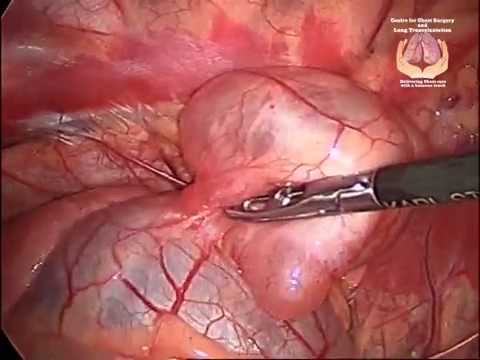
Thoracoscopic (VATS) Excision of Pericardial Cyst in a 4 Year Old Child
Robotic Aortic Surgery - Aorto Bifemoral Bypass for Atherosclerotic Aorto-iliac Occlusive disease

Dr. Arvind Kumar is a highly accomplished Chest surgeon with experience of over 20,000 major chest surgeries, including open surgery, VATS(Video assisted Thoracic Surgery), Robotic Chest Surgery, and Lung Transplantation, reflecting decades of clinical excellence and leadership in chest surgery.
Copyright @ (Prof.) Dr. Arvind Kumar. All Rights Reserved / Thoracic Surgical Oncologist
License Number: U.P State Medical Council (India) No. 27637


 Contact
 +91-9773635888