
MBBS (AIIMS), MS (Surgery, AIIMS), MNAMS, FACS (USA), FICS (USA), FUICC
Tue, 08 Sep 2026
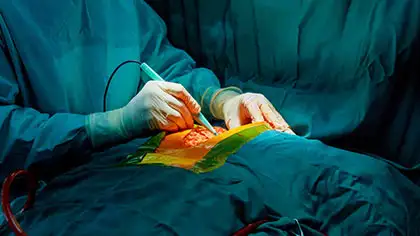
Lung cancer remains one of the most significant health challenges worldwide, affecting millions of people each year. Advances in medical technology, minimally invasive surgery and targeted therapies have meaningfully improved treatment outcomes over the past decade.
Dr. Arvind Kumar, a thoracic and chest surgeon with extensive experience in lung cancer surgery and lung transplantation, has played a significant role in advancing lung cancer treatment in India.
India has grown into a well-established destination for cancer treatment, supported by experienced medical professionals, modern infrastructure and treatment costs that remain considerably lower than in the US, UK or Australia — without compromising quality of care.
Lung cancer develops when abnormal cells in the lungs grow uncontrollably. If left untreated, these cells can spread to other parts of the body. The condition is broadly classified into two types:
Risk factors include smoking (active and passive), air pollution, exposure to harmful chemicals such as asbestos, a family history of cancer, and chronic lung disease. Early detection remains one of the most important factors in effective, long-term treatment.
Recognizing early warning signs can meaningfully improve treatment outcomes. Common symptoms include a persistent cough, chest pain, shortness of breath, coughing up blood, unexplained weight loss, fatigue, hoarseness, and frequent respiratory infections. A more detailed breakdown is available in our guide to early signs of lung cancer. If symptoms persist, consulting a specialist promptly is important for timely diagnosis.
Effective treatment depends on thorough diagnosis and accurate staging. Specialists use a combination of imaging and diagnostic tools, including chest X-rays, CT scans, PET scans, bronchoscopy, needle biopsy and molecular testing, to determine the type and stage of cancer and guide treatment planning. Patients considering a diagnosis can also read more about screening and second opinions for lung cancer diagnosis.
Modern lung cancer treatment combines surgery, medical oncology, radiation therapy and supportive care, tailored to the patient's stage of cancer and overall health. A detailed overview is available in our article on treatment options for lung cancer in India.
Surgery is often the most effective option for early-stage lung cancer, aiming to remove cancerous tissue while preserving as much healthy lung as possible. Common procedures include lobectomy, pneumonectomy, segmentectomy and wedge resection. Minimally invasive techniques such as Video-Assisted Thoracoscopic Surgery (VATS) and robotic surgery have become increasingly common, typically resulting in smaller incisions, less pain, faster recovery and a lower risk of complications.
Chemotherapy uses anti-cancer drugs to kill or slow the growth of cancer cells. It may be used before surgery to shrink tumors, after surgery to address remaining cancer cells, or as a primary treatment for advanced-stage lung cancer — alone or combined with radiation therapy.
Radiation therapy uses high-energy beams to target and destroy cancer cells. It is often recommended for patients who are not candidates for surgery, or as a complementary treatment following surgery. Modern techniques available in India allow for precise targeting of tumors while protecting surrounding healthy tissue.
Targeted therapy focuses on specific genetic mutations responsible for cancer growth and is particularly useful in certain types of non-small cell lung cancer. Immunotherapy works by strengthening the body's own immune system to identify and eliminate cancer cells. Together, these advances have meaningfully improved survival rates and quality of life for lung cancer patients.
Selecting an experienced specialist is central to successful treatment, requiring not just technical expertise but a thorough understanding of thoracic oncology and minimally invasive surgical techniques. Dr. Arvind Kumar and his team support patients through accurate diagnosis, cancer staging, personalized treatment planning, surgical management and post-treatment rehabilitation. For guidance on evaluating options, see our article on choosing a hospital for lung cancer treatment in India.
Treatment cost depends on several factors, including the stage and type of cancer, the treatment approach, length of hospitalization, complexity of surgery, and whether targeted therapy or immunotherapy is required. Despite access to advanced technology and specialized care, treatment costs in India remain significantly lower than in many other countries, making quality care accessible to a wider range of patients, including those travelling from abroad.
Recovery depends on the stage of cancer and the treatment received. Post-treatment rehabilitation often includes pulmonary rehabilitation, breathing exercises, nutritional support, regular follow-up scans, and lifestyle changes such as quitting smoking. Following a physician's guidance closely supports better long-term outcomes.
Early detection remains one of the most significant factors in improving survival outcomes. Individuals at higher risk — including smokers and those with regular exposure to harmful chemicals — are encouraged to undergo regular screening; low-dose CT scans can help detect lung cancer at an earlier, more treatable stage. To understand individual risk factors, see our guide on who is more prone to lung cancer. If you notice early symptoms, consulting a specialist promptly can meaningfully affect treatment outcomes.
Lung cancer is a serious condition, but advances in medical technology and treatment approaches have made effective care increasingly achievable. With experienced specialists, modern technology and comparatively affordable care, lung cancer treatment in India offers patients — including those travelling from abroad — a genuine path toward better outcomes. From accurate diagnosis through advanced surgical techniques and long-term rehabilitation, Dr. Arvind Kumar and his team provide individualized treatment plans focused on recovery and quality of life.
For more details about lung cancer treatment and to schedule a consultation, please get in touch with our team directly.

Dr. Arvind Kumar is a highly accomplished Chest surgeon with experience of over 20,000 major chest surgeries, including open surgery, VATS(Video assisted Thoracic Surgery), Robotic Chest Surgery, and Lung Transplantation, reflecting decades of clinical excellence and leadership in chest surgery.
Copyright @ (Prof.) Dr. Arvind Kumar. All Rights Reserved / Thoracic Surgical Oncologist
License Number: U.P State Medical Council (India) No. 27637


 Contact
 +91-9773635888