
MBBS (AIIMS), MS (Surgery, AIIMS), MNAMS, FACS (USA), FICS (USA), FUICC
Mon, 21 Sep 2026
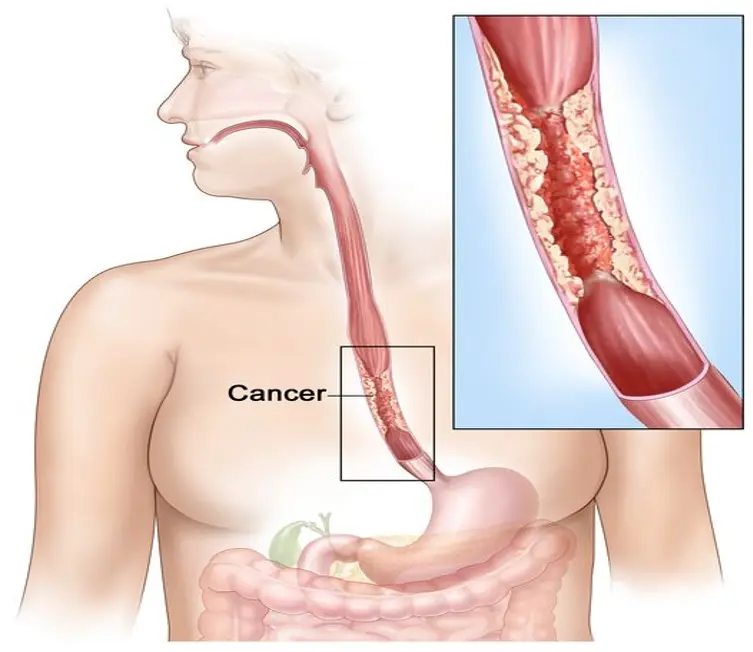
A diagnosis of esophageal cancer is life-altering, and it calls for more than medical intervention alone — it calls for a strategic, multidisciplinary approach to protect long-term survival and quality of life.
Dr. Arvind Kumar, a thoracic surgeon experienced in esophageal cancer treatment, believes every patient needs an individualized plan based on the stage, location of the tumour, and overall health.
Before understanding esophageal cancer, it helps to know what the esophagus is and what role it plays in the body. The esophagus is a muscular tube responsible for transporting food from the throat to the stomach. Cancer in this region typically begins in the inner lining and, if left untreated, can penetrate deeper layers and spread to the lymph nodes or distant organs.
There are two main types of esophageal cancer:
This type usually develops in the lower part of the esophagus and is commonly associated with chronic acid reflux, obesity, and Barrett’s esophagus. It has become increasingly common in Western diets and lifestyles.
This type primarily affects the upper and middle portions of the esophagus and is associated with long-term tobacco and alcohol use.
One of the biggest challenges with esophageal cancer is its silent progression. Symptoms often aren’t noticeable in the early stages and tend to appear only once the tumor has grown large enough to obstruct the passage of food. This makes early diagnostic vigilance and specialized surgical consultation important.
The outlook for esophageal cancer treatment has improved significantly with modern diagnostic and surgical tools. To personalize the treatment plan, clinical staging is essential.
| Stage | Description | Typical Treatment Approach |
|---|---|---|
| Stage 0 | Carcinoma in situ — cancer cells found only in the innermost lining (epithelium). | Highly treatable, often via endoscopic procedures without major surgery. |
| Stage I | Localised — the tumor has grown into deeper layers of the esophageal wall but has not reached lymph nodes. | Surgery is typically the primary treatment. |
| Stage II | Early regional — the tumor is deeper or has spread to 1–2 nearby lymph nodes. | Often requires neoadjuvant chemoradiotherapy followed by robotic surgery. |
| Stage III | Locally advanced — the tumor has spread to multiple lymph nodes or into the outer layer of the esophagus. | Intensive multimodality therapy to shrink the tumor before surgical removal. |
| Stage IV | Metastatic — cancer has spread to distant organs such as the liver, lungs, or bones. | Treatment focuses on palliative care, immunotherapy, and quality of life. |
Dr. Arvind Kumar prioritizes early diagnosis, followed by careful staging of the tumor, to ensure prompt and precise treatment.
Cancer, irrespective of type, is a serious concern, but esophageal cancer is often particularly aggressive because the esophagus lacks a protective outer layer that limits tumor spread — this allows the cancer to invade nearby organs and lymph nodes relatively early.
This is one of the reasons early diagnosis and intervention are so important. Since initial symptoms can be subtle, diagnosis itself is often a challenge — patients may experience mild swallowing difficulty, heartburn, or chest discomfort for months before seeking medical attention, and by the time symptoms become severe, the disease may already be advanced.
Outcomes improve considerably when:
This is exactly what Dr. Arvind Kumar prioritizes — starting with a comprehensive consultation, followed by detailed testing and diagnostic protocols to pinpoint the stage and location of the tumor for a precise, individualized treatment approach.
Treatment success in esophageal cancer depends heavily on early recognition of symptoms. Even a recurring bout of pain when swallowing food can be a red flag worth paying attention to. Key symptoms to watch for include:
If you notice persistent symptoms related to eating, swallowing, or sudden weight loss, it’s important to consult an experienced esophageal cancer specialist promptly.
Some of the leading causes and risk factors associated with esophageal cancer include:
If you have any of these risk factors, Dr. Arvind Kumar recommends routine evaluation and monitoring to help detect complications early and prevent them from progressing.
One of the greatest challenges with esophageal cancer is early detection. The most prominent symptoms — difficulty swallowing (dysphagia), unintentional weight loss, and chest pain — often appear only once the tumor has reached an advanced stage.
In India, centers such as the Institute of Chest Surgery at Medanta – The Medicity (Delhi) and the Gurugram Institute of Chest Surgery at Medanta offer state-of-the-art diagnostic facilities that allow for precise staging — the cornerstone of treatment planning. The diagnostic process typically involves, as detailed further in our guide to esophagus surgery evaluation:
Dr. Arvind Kumar’s diagnostic approach emphasizes a thorough workup, so each patient receives a treatment plan tailored to the exact stage and location of their tumor.
Modern treatment for esophageal cancer is rarely a single-track process — it typically involves a multimodal approach that combines multiple treatments to achieve strong oncological outcomes. A related overview is available in our article on how esophageal cancer is treated.
This is a pre-operative treatment approach. For many patients, especially those with Stage II or III cancer, treatment begins with chemotherapy and radiation (chemoradiotherapy) before surgery. The goal is to shrink the tumor, making it easier to remove, and to treat any microscopic cancer cells that may have spread beyond the primary site.
In cases where the tumor is located very high in the neck (cervical esophagus), or if the patient is not a fit candidate for surgery, a combination of chemotherapy and radiation may be used as the primary curative treatment.
Traditional “open” esophagectomies required large incisions in the chest and abdomen, leading to significant pain and long recovery times. Surgical options today include esophagectomy, minimally invasive esophagectomy (MIE), and robotic esophageal surgery.
Dr. Arvind Kumar uses Robotic-Assisted Thoracic Surgery (RATS) to perform these complex operations. Benefits of this approach include:
Recovery doesn’t end in the operating room. Since the digestive tract is reconstructed, patients go through a period of nutritional adaptation: nutrition is often provided through a temporary feeding tube immediately after surgery, and under the guidance of specialized dietitians, patients gradually transition back to oral intake, starting with liquids and moving to soft solids.
Esophageal cancer is serious but treatable, especially when detected early and managed by experienced specialists. Advances in minimally invasive surgery, robotic techniques, chemotherapy, radiation therapy, and multidisciplinary cancer care have significantly improved patient outcomes over the years. For expert evaluation, advanced surgical care, and personalized treatment planning, Dr. Arvind Kumar and his team can help you access evidence-based treatment approaches for esophageal cancer.
For more details about esophageal cancer treatment and to schedule a consultation, please get in touch with our team directly.

Dr. Arvind Kumar is a highly accomplished Chest surgeon with experience of over 20,000 major chest surgeries, including open surgery, VATS(Video assisted Thoracic Surgery), Robotic Chest Surgery, and Lung Transplantation, reflecting decades of clinical excellence and leadership in chest surgery.
Copyright @ (Prof.) Dr. Arvind Kumar. All Rights Reserved / Thoracic Surgical Oncologist
License Number: U.P State Medical Council (India) No. 27637


 Contact
 +91-9773635888