
MBBS (AIIMS), MS (Surgery, AIIMS), MNAMS, FACS (USA), FICS (USA), FUICC
Mon, 21 Sep 2026
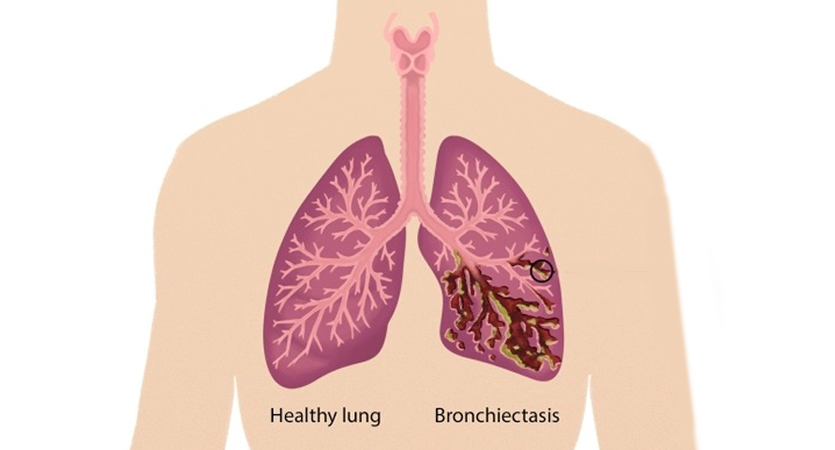
Bronchiectasis is a long-standing lung condition that can worsen over time without proper treatment. It occurs when the walls of the bronchi — the tube-like structures that carry air in and out of the lungs — become damaged, thickened, or widened. This lets the airways become a habitat for bacteria and mucus, leading to lung infections and frequent airway blockages that make breathing difficult.
While there is no permanent cure yet, with the treatment approach of Prof. (Dr.) Arvind Kumar, an experienced bronchiectasis specialist, this condition can be successfully managed — patients across Delhi and India are living normal lives with bronchiectasis under his care.
If these symptoms persist for a couple of weeks, it may be more than a viral cold or flu. Early diagnosis is important for effective bronchiectasis management — consult a bronchiectasis specialist promptly if symptoms don’t improve.
Bronchiectasis is classified into four types based on appearance and bronchial tube abnormalities:
The most common type — the bronchial tubes are dilated and widened without properly tapering at the ends, remaining cylindrical in shape but wider than normal.
Also commonly seen, with irregular dilations and constrictions along the bronchial tube, resembling a varicose vein.
Considered the most severe type — cysts or fluid-filled cavities form within the bronchial tube, giving a honeycomb appearance.
Occurs when the airways become deformed due to scarring caused by underlying interstitial lung disease (ILD).
Antibiotics such as aminoglycosides, tobramycin, and gentamicin are prescribed to manage respiratory infections responsible for bronchiectasis, alongside bronchodilators to relax the bronchial muscles and inhaled medications to maximize benefit while minimizing side effects. Medications are adjusted as the condition responds to treatment.
Oxygen therapy helps stabilize oxygen levels, and chest physiotherapy clears accumulated mucus from the lung walls and bronchi, improving lung stamina and reducing breathing difficulty over time.
For complex cases involving coughing up blood, this minimally invasive procedure involves guiding a catheter through the major blood vessels to the descending thoracic aorta to map abnormal or bleeding vessels, then injecting embolic agents to block abnormal blood flow to the affected area.
For advanced-stage bronchiectasis with significant lung damage, a single-lung transplant replaces one damaged lung with a healthy donor lung; a double-lung transplant is used when damage is more extensive.
A non-surgical airway-clearance technique where patients are guided to sleep in certain positions, using gravity to help move mucus from the peripheral lungs to the central airways so it can be coughed out more easily, helping prevent the cycle of mucus buildup and chronic infection.
| Component | Cost (INR) |
|---|---|
| Doctor consultation | 800–3,000 |
| HRCT scan & diagnostic tests | 5,000–20,000 |
| Pulmonary function test (PFT) | 2,000–5,000 |
| Bronchoscopy | Up to 30,000 |
| Medications & antibiotics | 2,000–15,000 per month |
| Chest physiotherapy & pulmonary rehabilitation | 1,000–2,500 per session |
| Bronchial artery embolization | 75,000–1,50,000 |
| Postural drainage | 500–1,000 per session |
| Lung transplant | 15,50,000–30,00,000 |
Dr. Arvind Kumar uses bronchoscopes and HRCT scanners for accurate respiratory diagnostics, along with vibrating-mesh nebulizers and airway clearance devices as part of non-surgical therapy, alongside surgical options for more severe conditions.
A breathing rehabilitation plan is built around each patient’s condition, with preventive measures — including vaccinations for pneumonia and influenza — to support long-term pulmonary health.
His treatments aim to be cost-effective without compromising on outcomes, so patients across Delhi can access quality respiratory care.
Dr. Kumar's experience extends to managing complicated cases through a combined approach of pulmonary rehabilitation, medications, and surgery, including lung transplantation for advanced disease.
A persistent cough and chest pain may be early signs of bronchiectasis, and ignoring them can affect long-term lung health. Advanced bronchiectasis treatment from Prof. (Dr.) Arvind Kumar supports faster recovery with minimal chances of recurrence.
Book your appointment today to begin your bronchiectasis treatment.
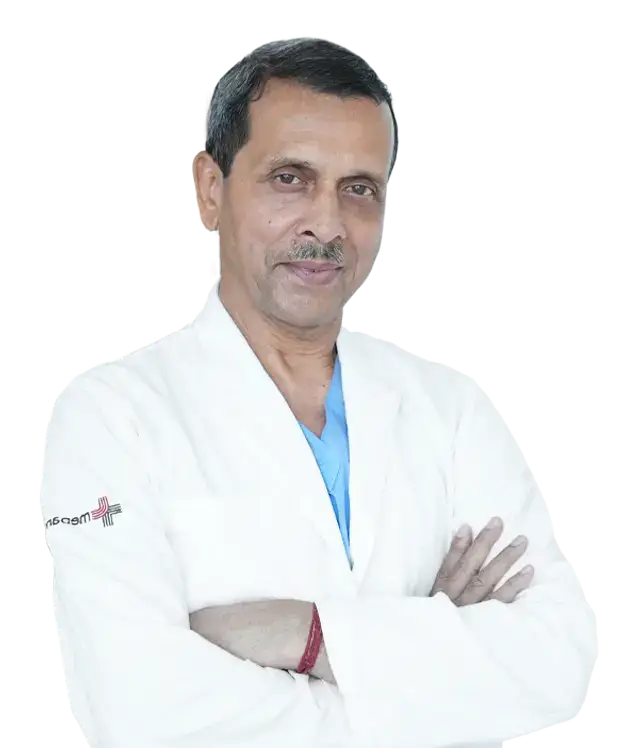
Dr. Arvind Kumar is a highly accomplished Chest surgeon with experience of over 20,000 major chest surgeries, including open surgery, VATS(Video assisted Thoracic Surgery), Robotic Chest Surgery, and Lung Transplantation, reflecting decades of clinical excellence and leadership in chest surgery.
Copyright @ (Prof.) Dr. Arvind Kumar. All Rights Reserved / Thoracic Surgical Oncologist
License Number: U.P State Medical Council (India) No. 27637


 Contact
 +91-9773635888